

Central Sulawesi Sustainable Palm Oil Multi-Stakeholder Forum Launched to Strengthen Collaboration and Improve Palm Oil Governance
Palu, Central Sulawesi – On 21 July 2026, the Central Sulawesi Sustainable Palm Oil Multi-Stakeholder Forum (FMPSB-Sulteng) was officially launched as a collaborative platform that brings together government institutions, private sector actors, smallholder farmers, academics, civil society organizations, and development partners to jointly advance the transformation of the province’s palm oil sector toward greater sustainability.
The establishment of the forum stems from the need for a more inclusive space for dialogue to address various challenges in palm oil governance. These challenges range from low smallholder productivity and land legality issues to social conflicts, labor rights protection, and growing global demands for deforestation-free commodities that respect human rights.
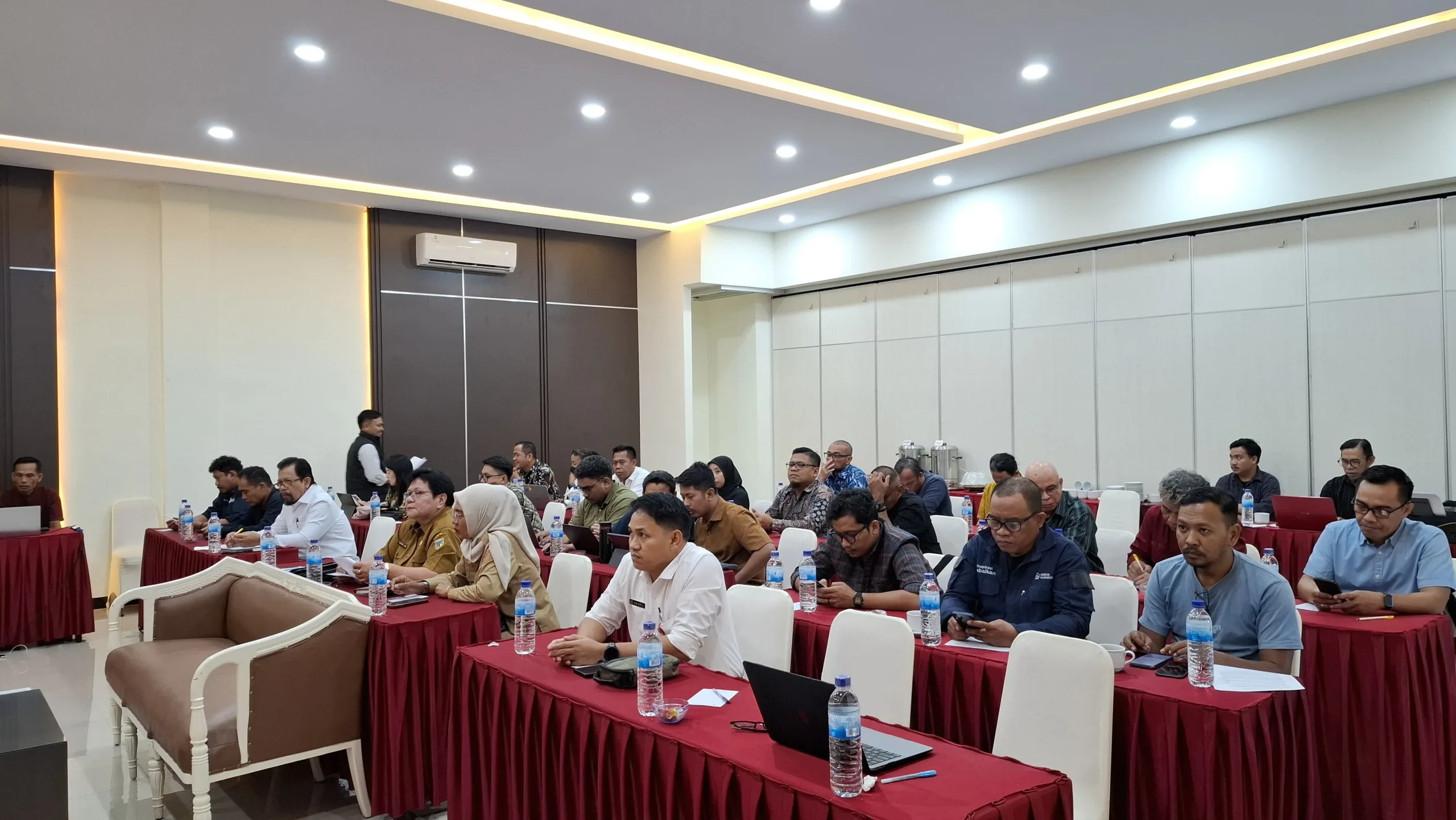
Collaboration as the Key
The success of sustainable palm oil development cannot be achieved by a single stakeholder alone. Therefore, FMPSB-Sulteng is expected to serve as a platform for communication, coordination, and cross-sector collaboration to formulate shared solutions while strengthening the implementation of both national and regional policies.
In addition to bringing together a wide range of stakeholders, the forum is designed to perform several strategic functions, including:
- Strengthening the capacity of smallholder farmers to adopt sustainable cultivation practices;
- Facilitating dialogue and addressing challenges within the plantation sector;
- Promoting synergy among government institutions, businesses, and civil society organizations;
- Accelerating the achievement of national targets such as the Smallholder Palm Oil Replanting Program (PSR), implementation of the Indonesian Sustainable Palm Oil (ISPO) certification system, and the development of sustainable downstream industries.
Addressing Palm Oil Governance Challenges
Although the palm oil industry makes a significant contribution to Indonesia’s economy, the sector continues to face a range of challenges that require collaborative approaches.
In Central Sulawesi, key concerns include low productivity among smallholder farmers, strengthening partnerships between companies and farmers, increasing access to sustainability certification, resolving land-related conflicts, and addressing the impacts of climate change on plantation productivity. At the same time, efforts to develop downstream industries continue to face obstacles, as most processing facilities remain located outside the province, resulting in less efficient supply chains and limited local value creation.
Supporting Sustainable Development Goals
The declaration of FMPSB-Sulteng also reflects the province’s growing commitment to integrating sustainability principles into plantation sector development. This approach aligns with Indonesia’s broader goals of creating a palm oil industry that is more inclusive, competitive, and responsive to international expectations regarding environmental, social, and governance (ESG) performance.
Beyond environmental considerations, attention to workers’ rights, the protection of vulnerable groups, strengthening the capacity of smallholder farmers, and ensuring legal certainty are all essential components of building a palm oil industry that generates economic benefits while safeguarding natural resources for future generations.
Lessons for Other Regions
The establishment of a multi-stakeholder forum in Central Sulawesi demonstrates that improving palm oil governance requires collaborative mechanisms capable of bridging the interests of all stakeholders, from government agencies and private companies to local communities and civil society organizations.
Such a model can serve as an example for other provinces seeking to strengthen the implementation of sustainable palm oil policies through open dialogue, collaborative problem-solving, and continuous capacity building among stakeholders.
For organizations working in natural resource governance and sustainable development, initiatives such as FMPSB-Sulteng represent an important opportunity to expand collaborative approaches that support the development of a palm oil sector that is productive, inclusive, responsible, and sustainable.
From various sources: