
This question was one of the key themes discussed during the Workshop on Strengthening Labour Governance and Human Rights in Wilmar’s Supply Chain through a Human Rights Due Diligence (HRDD) approach, organized by EcoNusantara in collaboration with Wilmar in Pekanbaru, Riau.
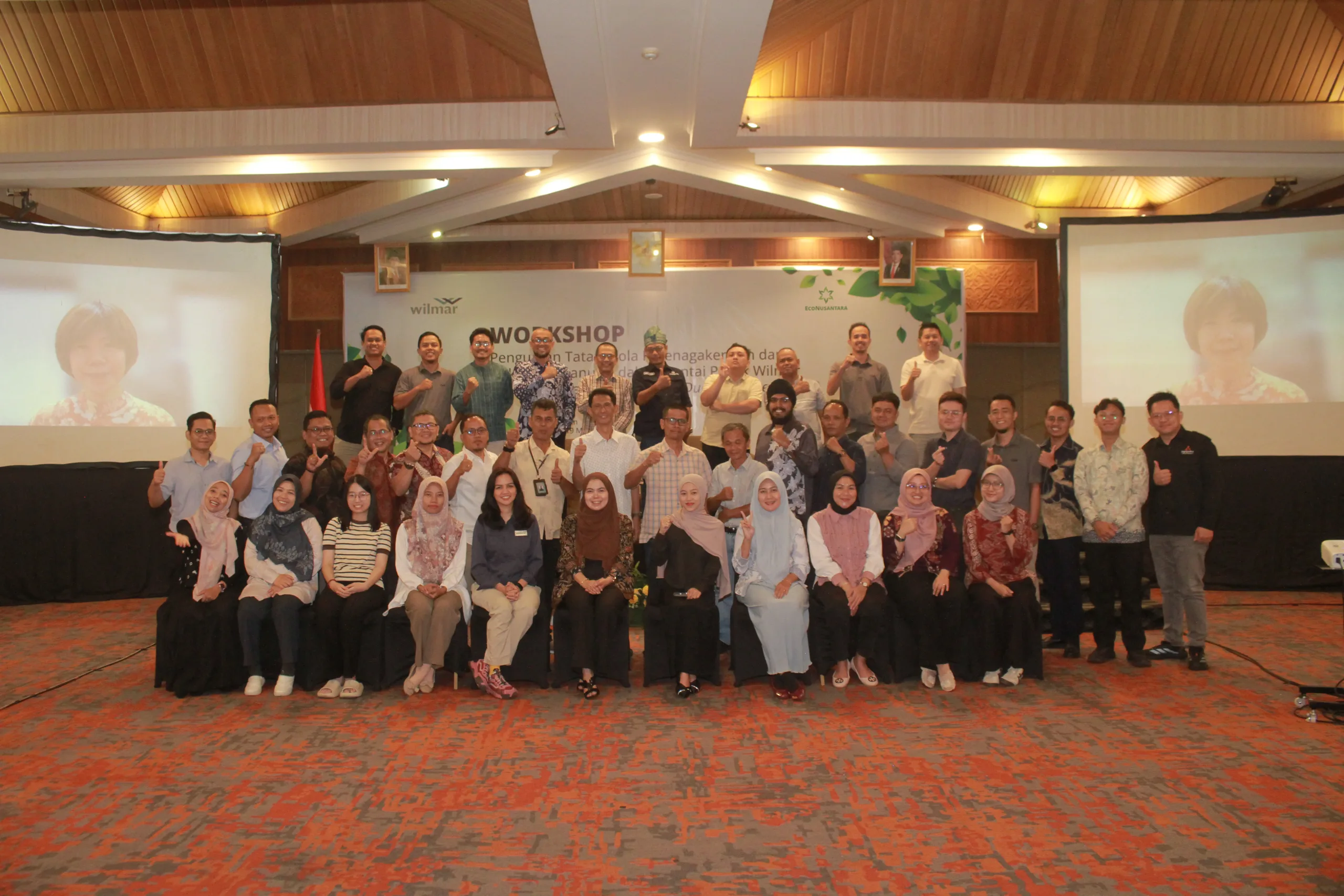
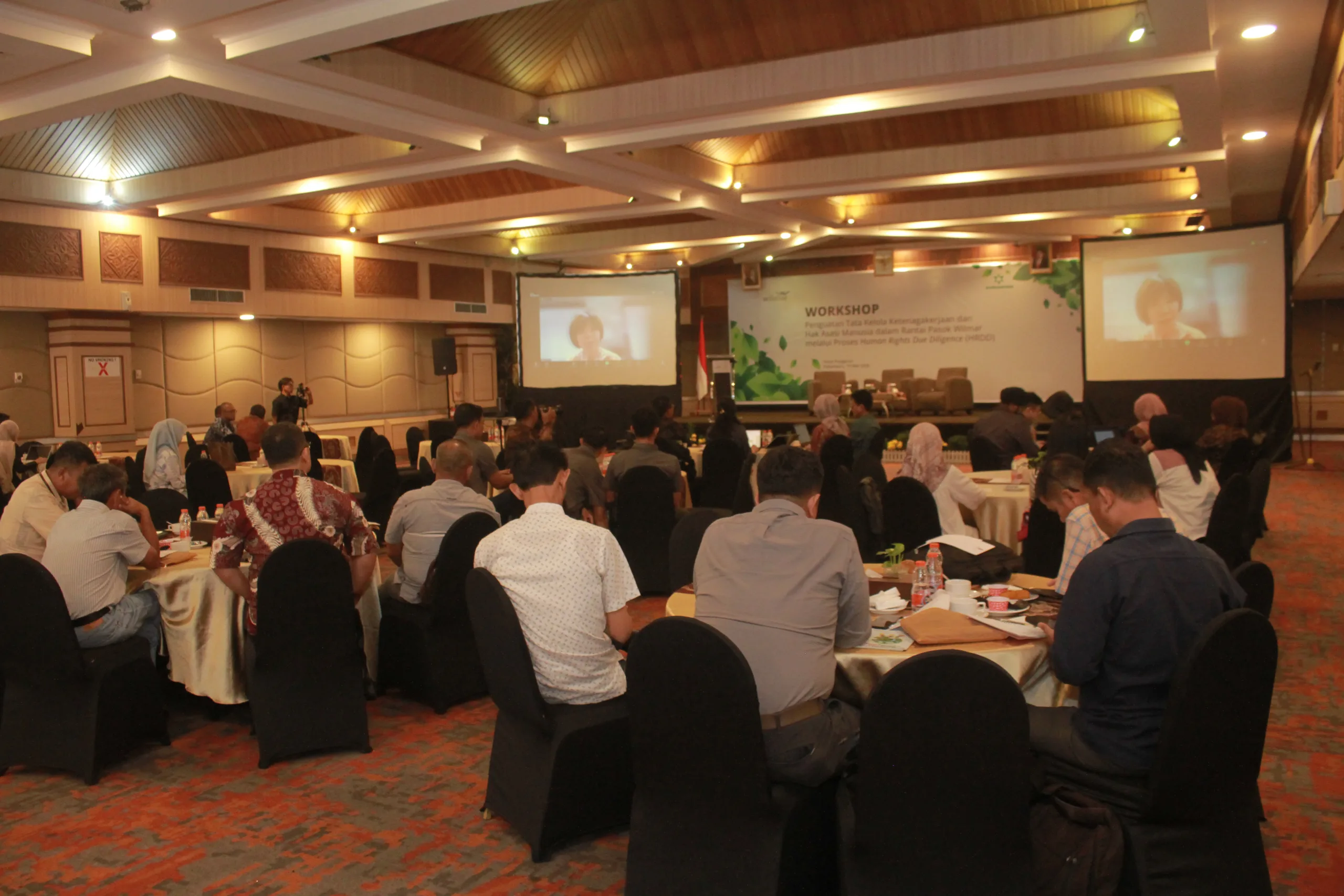
The workshop brought together approximately 50 participants, including representatives of Wilmar suppliers, sustainability practitioners, and other relevant stakeholders. Through presentations and discussions with expert speakers, participants deepened their understanding of labour governance, human rights, and the challenges of implementing these principles across the palm oil supply chain.
Respecting human rights does not stop at a company’s own operations—it extends throughout the entire supply chain. Strengthening suppliers’ capacity is therefore an essential step in ensuring that labour and human rights risks can be effectively identified, prevented, mitigated, and addressed.
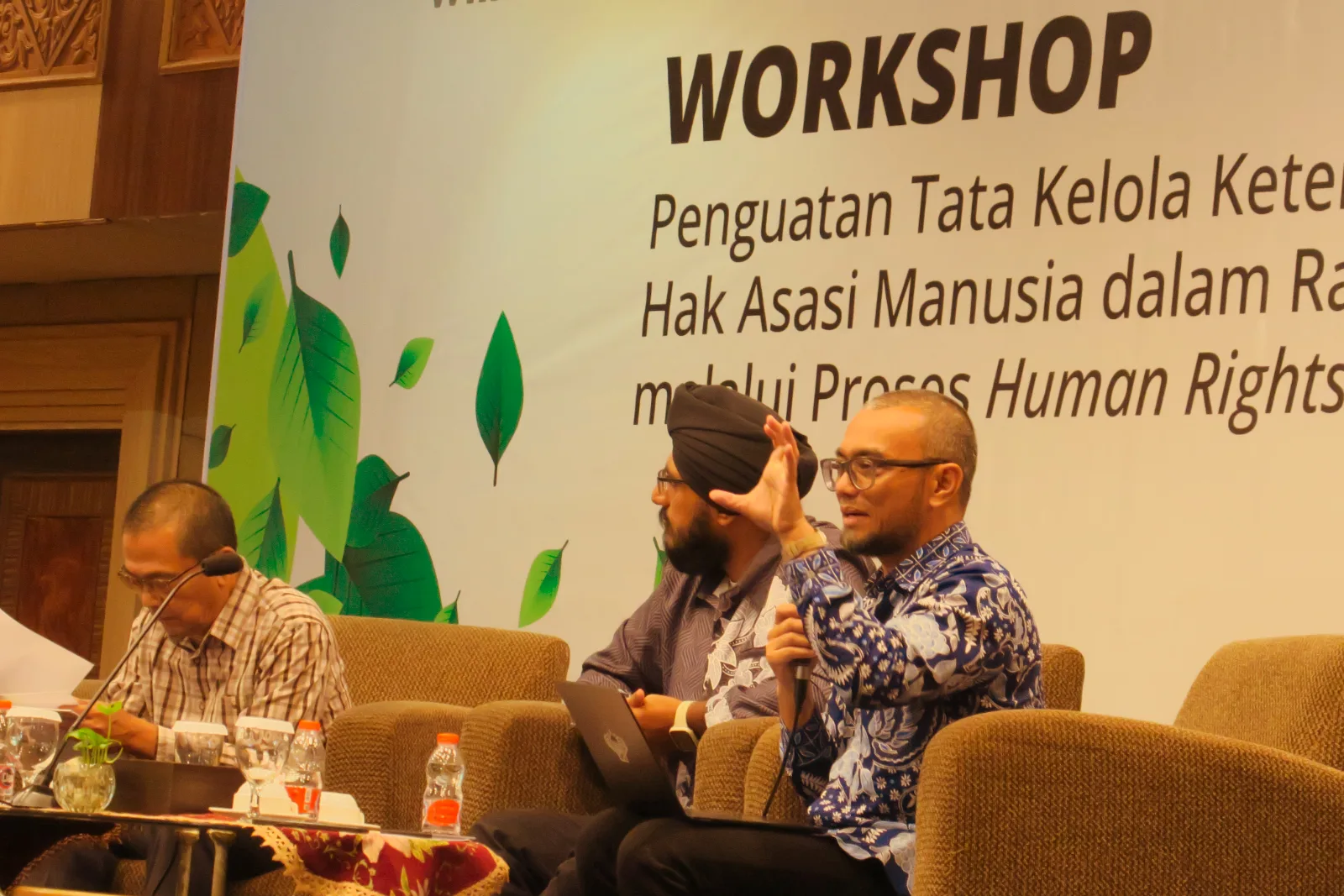
During EcoNusantara’s session on Human Rights Risk Identification, participants explored how risk identification is not merely about meeting market expectations or regulatory requirements, but rather a strategic approach to building more resilient, responsible, and sustainable businesses. Human rights risks may arise from company operations, contractor relationships, and broader supply chain activities. As such, risk identification processes must involve a wide range of stakeholders, including workers, local communities, and potentially affected vulnerable groups.
Drawing on EcoNusantara’s experience in supporting companies, civil society organizations, and sustainability initiatives to strengthen environmental and social governance, the session introduced practical approaches such as risk mapping, root cause analysis, and stakeholder engagement in the human rights risk identification process. Participants gained insights into how to identify, map, and prioritize the most relevant human rights risks within their operations and supply chains, while also discussing implementation challenges and practical measures that can strengthen corporate governance.
The workshop also formed part of ongoing efforts to support the implementation of Wilmar’s Human Rights Due Diligence Framework, which provides guidance on integrating human rights principles into business activities and supply chain management. Twelve years after the launch of its No Deforestation, No Peat, No Exploitation (NDPE) Policy, stakeholders continue to strengthen collaboration in advancing a more responsible, inclusive, and sustainable palm oil sector.
We believe that respect for human rights is a fundamental pillar of sustainable supply chains. Through collaboration, shared learning, and active stakeholder engagement, we can help build a palm oil industry that is not only productive, but also respects human dignity and delivers broader benefits to society.